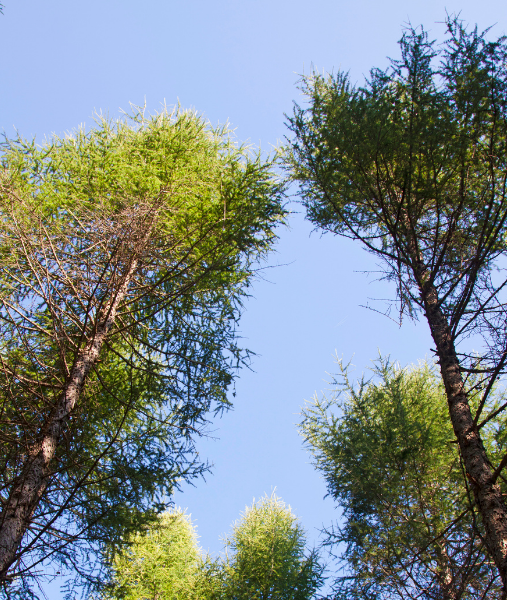
Trees growing near overhead obstacles can present challenges for homeowners, particularly when branches begin to approach buildings, garden structures or overhead cables. While some growth may be managed through careful pruning, removing too much of the canopy can affect the tree’s health, shape and long-term stability.
Crown reduction is one method of managing the size and spread of a tree while retaining its natural form. For property owners in Maidstone, Kent, professional tree surgery can help determine whether this technique is suitable for branches growing close to overhead obstacles and what work may be needed to maintain safe clearances.
What Is Crown Reduction?
Crown reduction involves carefully reducing the height or spread of a tree’s canopy by shortening selected branches back to suitable growth points. The aim is to create a smaller, more manageable crown while preserving the tree’s natural shape and maintaining a balanced structure.
Unlike indiscriminate cutting, a properly carried out crown reduction focuses on appropriate branch selection and the tree’s future growth. It should not leave large, blunt stubs or remove an excessive amount of foliage.
The extent of reduction depends on the tree species, its condition, existing structure and the space available around it. A professional assessment helps establish how much the canopy can reasonably be reduced without placing unnecessary stress on the tree.
How Crown Reduction Can Help Near Overhead Obstacles
When branches extend towards an obstruction, crown reduction may help by reducing the canopy’s overall spread and redirecting its growth away from the affected area.
For example, branches may begin to overhang a roof, approach a garden building or extend towards other structures. Selective pruning can create more clearance and reduce the likelihood of branches rubbing against surfaces or interfering with nearby features.
However, crown reduction does not automatically resolve every clearance issue. The tree’s position, branch structure and the location of the obstacle all influence the most appropriate approach. In some cases, selective branch removal or a different pruning technique may be more suitable.
Managing Branches Near Overhead Cables
Trees growing near overhead cables require particular care. The correct approach depends on the type of cable, the required clearance and the risks involved.
Crown reduction may help manage the overall shape of a tree, but it should not be treated as permission to cut branches close to electrical infrastructure. Cutting near live electrical cables can be extremely dangerous, even when the branches appear to be some distance away.
Homeowners should never attempt this work themselves. Where branches are approaching or touching overhead electrical cables, the relevant network operator should be contacted for guidance before any pruning is arranged. Tree surgeons can then establish what work can be undertaken safely and appropriately.
Why the Right Pruning Technique Matters
Removing branches without considering the tree’s structure can lead to poor regrowth, an unbalanced canopy or unnecessary damage. Excessive cutting may also reduce the tree’s ability to produce energy through photosynthesis.
Crown reduction should therefore be carried out selectively, with cuts made at suitable points to encourage appropriate growth. The objective is to manage the canopy while retaining as much of the tree’s natural form and health as possible.
In Maidstone, Kent, an experienced tree surgeon can assess the branches causing concern and determine whether crown reduction, crown thinning or selective pruning would provide the most suitable outcome.
When Crown Reduction May Not Be the Best Option
Although crown reduction can help manage some overhead clearance issues, it is not always the right solution. If only one or two branches are causing an obstruction, targeted pruning may be sufficient without reducing the entire crown.
Similarly, if the tree has significant structural defects, extensive deadwood or an unsuitable growth pattern, further assessment may be necessary before deciding on the work. Some trees also respond poorly to heavy pruning, so the species and condition must be considered.
A professional tree assessment helps avoid unnecessary cutting and ensures that the chosen method addresses the actual problem rather than simply reducing the tree’s size.
How Often Should Crown Reduction Be Carried Out?
The need for further pruning depends on the tree species, its growth rate, its condition and how close it is to the surrounding obstacles. Some trees may require occasional reassessment, while others can remain suitable for longer periods without additional work.
It is important not to assume that frequent or severe reduction is necessary to keep a tree manageable. A planned approach that considers future growth can help maintain clearance without repeatedly removing excessive amounts of the canopy.
Regular professional assessments can identify when branches are approaching problem areas and help determine whether further pruning is appropriate.
Why Choose Professional Tree Surgery in Maidstone?
Working around overhead obstacles requires careful planning, appropriate equipment and a clear understanding of tree structure. A professional tree surgeon can evaluate the tree’s condition, identify the branches causing concern and recommend a suitable pruning method.
Maidstone Tree Care can assess trees in Maidstone, Kent, and advise whether crown reduction is appropriate for managing branches near buildings, structures or other obstacles. Where overhead cables are involved, safety and coordination with the relevant network operator are essential.
Conclusion
Crown reduction can help manage branches near overhead obstacles by reducing the canopy’s spread and creating suitable clearance while preserving the tree’s natural shape. However, the best approach depends on the tree’s condition, the position of the obstruction and the amount of pruning required.
If branches on your property are becoming difficult to manage, Maidstone Tree Care can assess the tree and recommend an appropriate solution. Contact us to arrange a professional tree surgery assessment in Maidstone, Kent.
Call us on: 01622 234592
Click here to find out more about Maidstone Tree Care
Click here to complete our contact form and see how we can help with your trees needs.