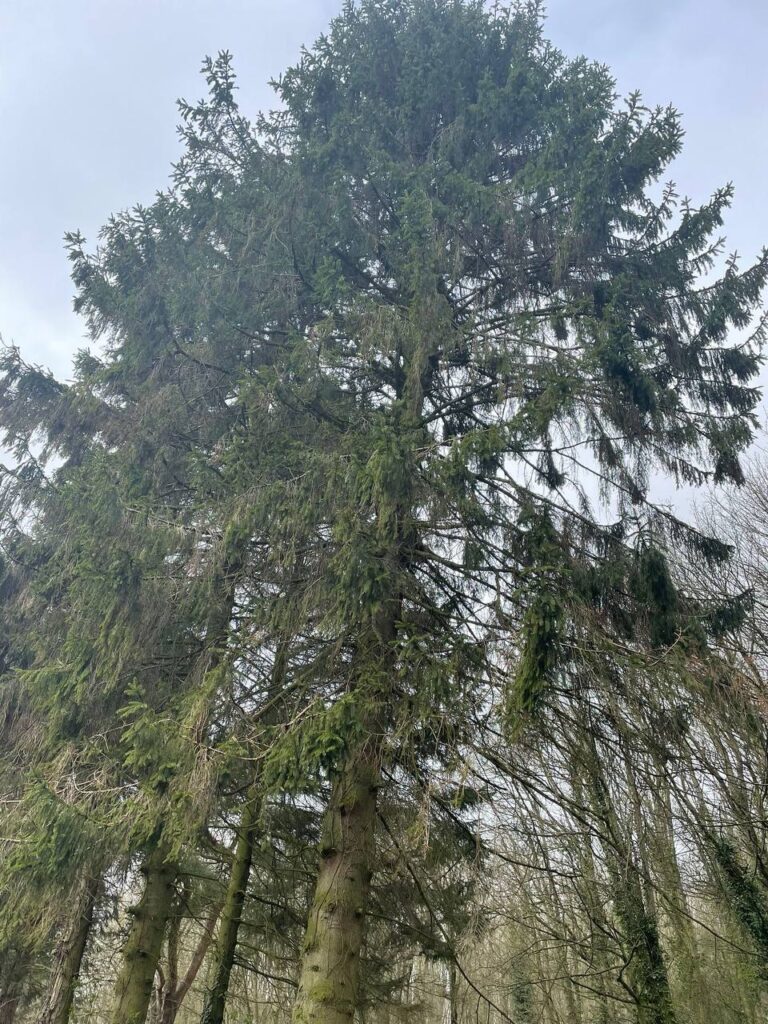
In many cases, removing a tree stump before landscaping begins is the most practical approach. A stump that seems easy to work around can restrict the design, interfere with ground preparation and create problems beneath lawns, paving or planting areas.
For gardens in Maidstone, Kent, stump removal should be considered during the planning stage rather than after landscaping materials have been installed. Early assessment allows the appropriate removal method to be selected and gives the surrounding ground time to be prepared correctly.
Why Stump Removal Should Be Planned Before Landscaping
Whether a stump needs to be removed depends on its position, size, condition and the proposed garden layout. A stump in an unused corner may not affect the work, while one beneath a planned patio, path or lawn is likely to become an obstruction.
A Stump Can Restrict the Garden Design
Designing around an unwanted stump may force paths, borders and seating areas into less practical positions. Even when the visible section is relatively small, the surrounding root flare may occupy a much larger area below the soil.
Removing the stump early provides greater freedom when arranging:
- Patios and paved areas
- Garden paths
- Lawns and artificial grass
- Planting beds
- Fencing and edging
- Sheds and other garden structures
This allows the landscaping plan to reflect how the garden will actually be used rather than being dictated by an old tree base.
Decaying Wood May Cause Future Settlement
A stump left below new landscaping will gradually decay. As the wood breaks down, it loses volume and may leave voids within the ground. Soil and surface materials above it can then settle unevenly.
This is particularly relevant where paving, a lawn or another level finish is planned. The surface may initially appear sound but later develop a dip as the buried stump and larger roots decompose.
Removing or grinding the stump before forming the new base reduces this risk and allows the resulting space to be filled and compacted appropriately.
Roots Can Interfere With Ground Preparation
Large surface roots can make it difficult to excavate, level and compact the ground consistently. They may obstruct edging, affect paving depths or prevent the creation of a uniform lawn.
Although stump grinding does not usually remove the entire root system, it can eliminate the central stump and major surface roots that conflict with the landscaping. Remaining roots generally decay gradually below ground, provided they are no longer connected to a living tree.
Some Stumps May Produce New Growth
Certain tree species can send up shoots from the stump or remaining roots after the main tree has been removed. New growth can emerge through planting beds and other landscaped areas, creating an ongoing maintenance problem.
The likelihood of regrowth depends on the species and condition of the root system. A tree surgery professional can assess whether grinding alone is suitable or whether additional work may be needed to manage vigorous shoots.
Old Stumps Can Attract Fungal Growth
Decaying stumps commonly support fungi because the dead wood provides a source of organic material. This is a natural part of decomposition, but clusters of fruiting bodies may be undesirable within a newly landscaped garden.
A stump can also remain damp and collect debris around its base. Removing the bulk of the wood helps create a cleaner area that can be prepared for its new purpose.
Stumps Can Become Hidden Trip Hazards
Once new planting becomes established, a low stump may be difficult to see. Its exposed roots can also remain raised above the surrounding soil, particularly where the garden is used frequently.
Removing the obstruction before installing a lawn or path helps create a more even and manageable surface. It is far easier to address the stump before access is restricted by new fencing, planting or hard landscaping.
Stump Grinding or Full Excavation?
Stump grinding and excavation achieve different results. Grinding uses specialist machinery to reduce the stump to below ground level. It is often suitable when the aim is to install a lawn, border or other soft landscaping over the area.
Full excavation removes the stump and a larger proportion of the root base. It may be considered where substantial foundations, deep excavation or precise structural preparation are planned.
The appropriate method depends on:
- The intended use of the area
- The stump’s diameter and species
- The size and depth of the root flare
- Access for suitable machinery
- Nearby surfaces, structures and vegetation
- The required depth of future groundworks
A site assessment helps avoid removing more ground than necessary while ensuring the stump will not interfere with the finished project.
Allow for Correct Reinstatement Afterwards
Stump removal leaves a void containing loose soil and wood fragments. This area should not simply be covered without considering its future use.
For planting beds, some of the resulting material may be suitable once the larger wood fragments have been removed and the soil improved. Areas intended for lawns or hard landscaping require more careful reinstatement because loose material can settle. The landscaper should know the location and depth of the removed stump so the ground can be prepared accordingly.
Arrange Removal Before Access Becomes Restricted
Stump-grinding machinery needs a suitable route into the garden. New gates, walls, fencing, planting or completed surfaces can make access more difficult and increase the risk of disturbance.
Scheduling the work before the main landscaping begins allows the stump to be reached more easily. It also enables the tree surgeon and landscaper to coordinate the required grinding depth and final ground preparation.
Conclusion
A tree stump should usually be removed before landscaping when it conflicts with the proposed layout, prevents proper ground preparation or could cause future settlement. Addressing it early also reduces the risk of regrowth, hidden trip hazards and disruption to completed surfaces.
If an old stump is affecting plans for your garden in Maidstone, Kent, contact Maidstone Tree Care to arrange an assessment. We can recommend a suitable removal method based on the stump’s condition and how the surrounding area will be landscaped.
Call us on: 01622 234592
Click here to find out more about Maidstone Tree Care
Click here to complete our contact form and see how we can help with your trees needs.